Why Vlorë, Albania Deserves to Be on Your Relocation List
Albania wasn't on my original list. After a month in Vlorë, I understood why the people who find this place tend to stay. Here's what I found, what it costs, and the honest trade-offs.
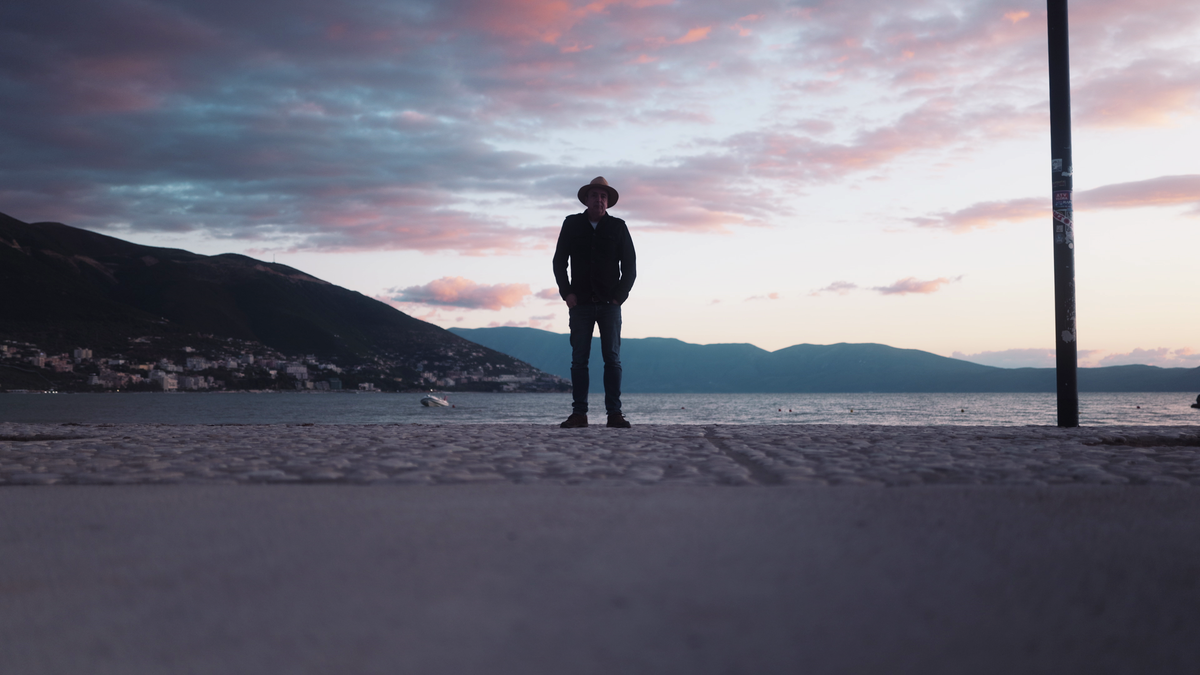
Albania wasn't on my list. Not at first. When I left my career at 58 it opened up possibilities of a richer life abroad. The usual places came up: Portugal, Spain, Thailand. Albania was not on the radar for a Brit. Other people were talking about it but nobody I knew had actually tried.
And the more I researched, the more Vlorë kept standing out. Not because it was the cheapest option, but because the balance between cost, quality of life, and something harder to define seemed to work here in a way it didn't elsewhere.
I spent a month there. This is what I found, and what I'd tell you if you asked me about it honestly.
The Numbers
My total spend for 35 days was £1,391 / ~$1,816. That's roughly £1,200 / ~$1,560 per month projected out. The breakdown: £610 / ~€700 / ~$770 for a one-bedroom seafront apartment on the Lungomare (less for 6+ month contract), £416 / ~$54 on food (mostly home-cooked from the fresh market), and the rest split between transport, coffee, eating out, and daily life.
For context, a similar lifestyle in a UK coastal town would cost considerably more. I wasn't cutting corners. I was eating well, sitting in good cafes, living in a proper apartment with a sea view. The gap between what that costs here and what it costs at home is where the whole conversation starts.
I've written a full cost breakdown with every line item if you want the detail: What a Month in Vlorë Actually Cost Me
What Makes Vlorë Work
There are cheaper places. There are year-round warmer places. What Vlorë has is a combination that's hard to find in one city.
The Lungomare. A seafront promenade that runs for kilometres with a dedicated cycle lane, cafes, restaurants, and a walking culture that starts early and runs late. I walked or cycled this every day. It became the backbone of my routine. In the UK, the nearest equivalent would be packed, expensive, and nowhere near as long.
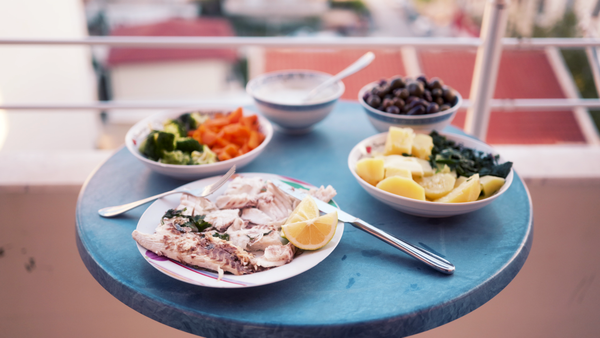
The food. Fresh markets selling produce that would cost twice as much in a British supermarket. I cooked more meals from scratch in Vlorë than I had in years. Not to save money, though it did, but because the ingredients deserved it. Tomatoes that smell like a garden. Fish from the sea that morning. Bunches of herbs for a few pence.
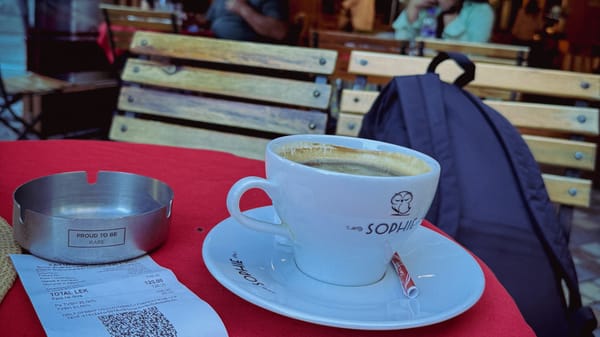
The pace. Albanian cafe culture runs at a different speed. A coffee costs under £1 and nobody expects you to leave. I'd sit for an hour, work, think, watch the street. That kind of time is expensive in the UK, not because of the coffee but because of everything else pressing on your day.
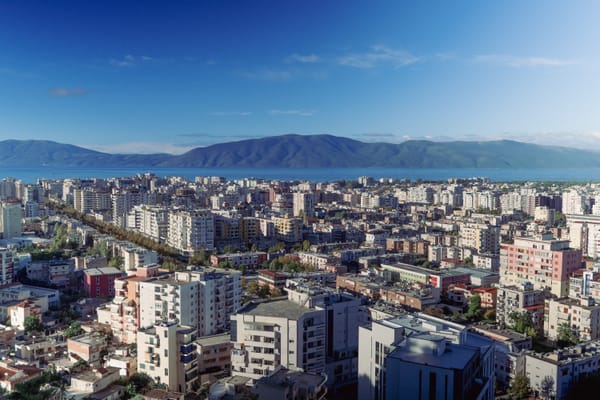
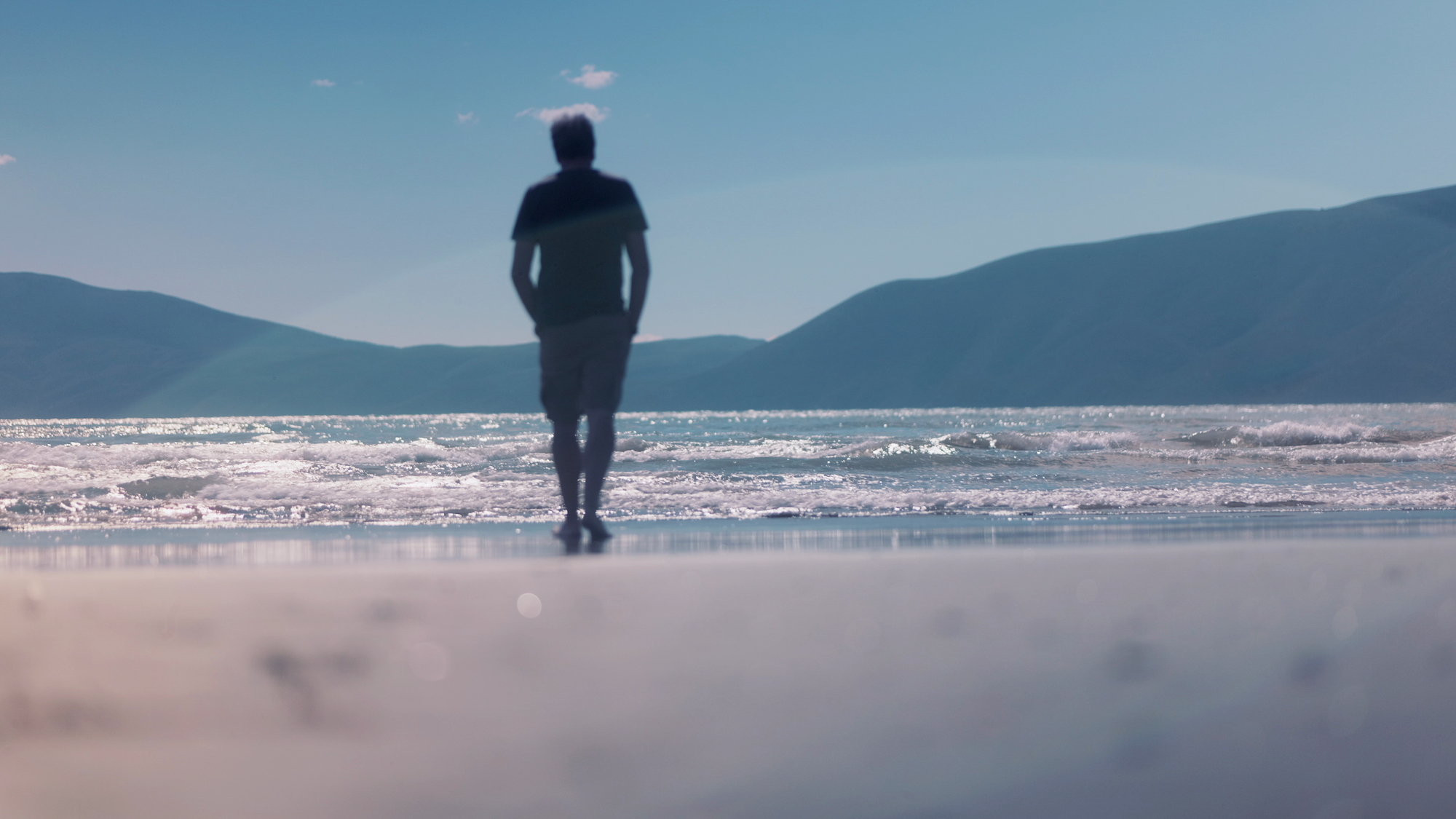
The coast. Vlorë sits at the point where the Adriatic meets the Ionian. Sandy beaches to the north, shingle coves to the south, and beyond the tunnel the coastline opens up towards the Albanian Riviera proper. There's variety within walking distance and real beauty within a short drive.
Vlorë is an authentic city by the sea that has the advantages of the holiday coast but operates like a working city in winter, not closed up like the smaller places further south. I found it more appealing than Durrës.
Safety. I walked alone at night without thinking about it. The city felt calm in a way that set me at ease.
The European factor. This is where Albania has a real advantage over Southeast Asia for anyone based in Europe. Lower costs, but a short, low-cost flight from most European airports. You're in the same time zone for half the year and only an hour ahead for the other half. If something happens at home, you can be back the same day.
Albania sits outside the Schengen zone, which matters if you're thinking about splitting your time between countries. You could spend 90 days in Albania, then 90 days in a Schengen country like Greece, Portugal, or Spain, without burning through your Schengen allowance while you're in Vlorë. For people who want a European base without being locked into one system, that flexibility is worth understanding.
The climate. On average 300 sunny or partly sunny days per year. Even winter in Vlorë, which locals describe as cold and rainy, is milder and sunnier than a British one. The real draw is the number of sunny days through the shoulder season and into winter. When I was there in October, I was regularly in a t-shirt while people back home were layering up. The light and the warmth on a November afternoon in Vlorë would genuinely surprise anyone coming from the UK.
A country on the up. Albania is an official EU candidate country, and the effects of that trajectory are visible. Infrastructure is improving, investment is flowing in, and the government is actively courting foreign residents and tourists. Vlorë specifically has a new international airport (Vlora International, code VLO) due to open in mid-2026 (it keeps getting put back). That changes the access equation significantly: no more 3-hour bus from Tirana. There's also a new marina development underway. Property prices across Albania rose roughly 18% in the year to January 2026, driven by demand in Tirana and growing foreign buyer interest. Whether that growth continues is uncertain, but the direction of travel is clear: Albania is not standing still.
The Honest Trade-Offs
This is where most guides go quiet, and where you need the real picture.
Healthcare. Few people talk about this biggest barrier to living in locations abroad in my view. This is the area I'd flag for proper research before committing.
Most expats may require the safety net of private health insurance. In the UK with the NHS and some European countries we have free options for pensioners. But with private health insurance as you get older it can become unaffordable. Private health insurance is also requirement for residency. This may not be the place for complex ongoing medical needs, your policy should include emergency evacuation cover. For generally healthy people it works if you plan ahead.
Language. Very little English outside the tourist-facing areas. Restaurant menus are often only in Albanian. Google Translate helps but there are moments where you're guessing and gesturing. If you need to understand everything happening around you, this will frustrate you.
Infrastructure. The roads aren't always great. No trains. Plumbing can be unpredictable. You may see refuse piled up. There are occasional power cuts. The city is improving rapidly but it's not polished. Think of it as a place on the up rather than a finished product.
Private health insurance is required for residency applications and costs depend on health and age. Your policy should include emergency evacuation cover. This isn't the place for complex ongoing medical needs, but for generally healthy people it works if you plan ahead.
Winter. I was there in autumn and it was lovely. But locals told me winter is different. The city quiets down, restaurants close, and the social energy drops. If you're testing Vlorë, don't come in August and assume that's the year-round reality. The shoulder season gives a more honest picture.
Distance. Albania isn't a quick weekend trip from the UK. Currently, flights go through Tirana (2.5 hours by bus from Vlorë) and aren't as frequent as the Spanish or Portuguese routes. The new Vlorë airport should improve this significantly when it opens, but for now, getting there takes more planning than hopping to Faro or Malaga.
Visas and Staying Longer
This is where it gets practical. The rules depend on where you're from and they do change, so always verify the current situation before making plans.
Short stays. UK citizens get 90 days visa-free in Albania. If you're from an EU or Schengen country, you also get 90 days. That's enough time to test the place properly.
Long stays: Many expats are Americans in Vlore because they get a full year without a visa on arrival.
Staying longer: residency permits. If you want to stay beyond 90 days (or beyond a year for Americans), you'll need a residence permit. Albania offers several routes.
Pension/retirement residency. If you have provable annual pension income of at least €11,600 (roughly £10,000), you can apply for a one-year renewable residence permit. This covers UK state pension, workplace pensions, and SIPP drawdowns from age 55. You'll need an apostilled police clearance certificate, a notarised lease agreement for at least one year, health insurance, and a statement from an Albanian bank confirming pension transfers. The application goes through the e-Albania portal, and processing typically takes under 25 days. The application fee is around €100.
Importantly, pension residency holders are not required to pay Albanian tax on their pension income. Under the UK-Albania Double Taxation Agreement, UK-sourced pensions remain taxable only in the UK. So your pension gets taxed at source as normal, and Albania doesn't add another layer on top. That said, the interaction between UK pension taxation and Albanian residency status has nuances. Get proper tax advice before relying on this.
One restriction: pension residency doesn't allow you to work or run a business in Albania.
Digital nomad visa (the Unique Permit). Introduced in 2022, this is designed for people working remotely for companies or clients outside Albania. It requires a contract with a foreign employer or client, an Albanian bank account, health insurance with at least €30,000 cover, and a clean criminal background check from the last five years. The minimum income threshold is around €820 month. Valid for one year, renewable up to five times. Processing takes four to twelve weeks through the e-Albania portal. Application fee is around €100. If you're self-employed, you'll need proof of previous client contracts showing at least three months of paid work.
Property ownership. Unlike Thailand, where foreigners cannot own land, Albania allows full freehold property ownership by non-citizens. There's also a residency-through-investment route requiring a minimum €200,000 property purchase. I met people in Vlorë who had bought apartments and seen significant price increases in a short time. Whether that continues is anyone's guess, but it's worth knowing the option exists.
Path to permanent residency and citizenship. After five consecutive years of legal residence, you can apply for permanent residency. Citizenship is possible after a further five years (ten years total for pension residents). Albania allows dual citizenship, so you wouldn't need to give up your British passport.
A note of caution. These rules have been tightening and Albania is changing rapidly. Financial proof requirements for retirees became stricter in 2025. The digital nomad visa is still relatively new. Treat any specific numbers here as a starting point for your own research, not as a guarantee. The official e-Albania portal (e-visa.al) has the current application forms and requirements.
Who Vlorë Suits (And Who It Doesn't)
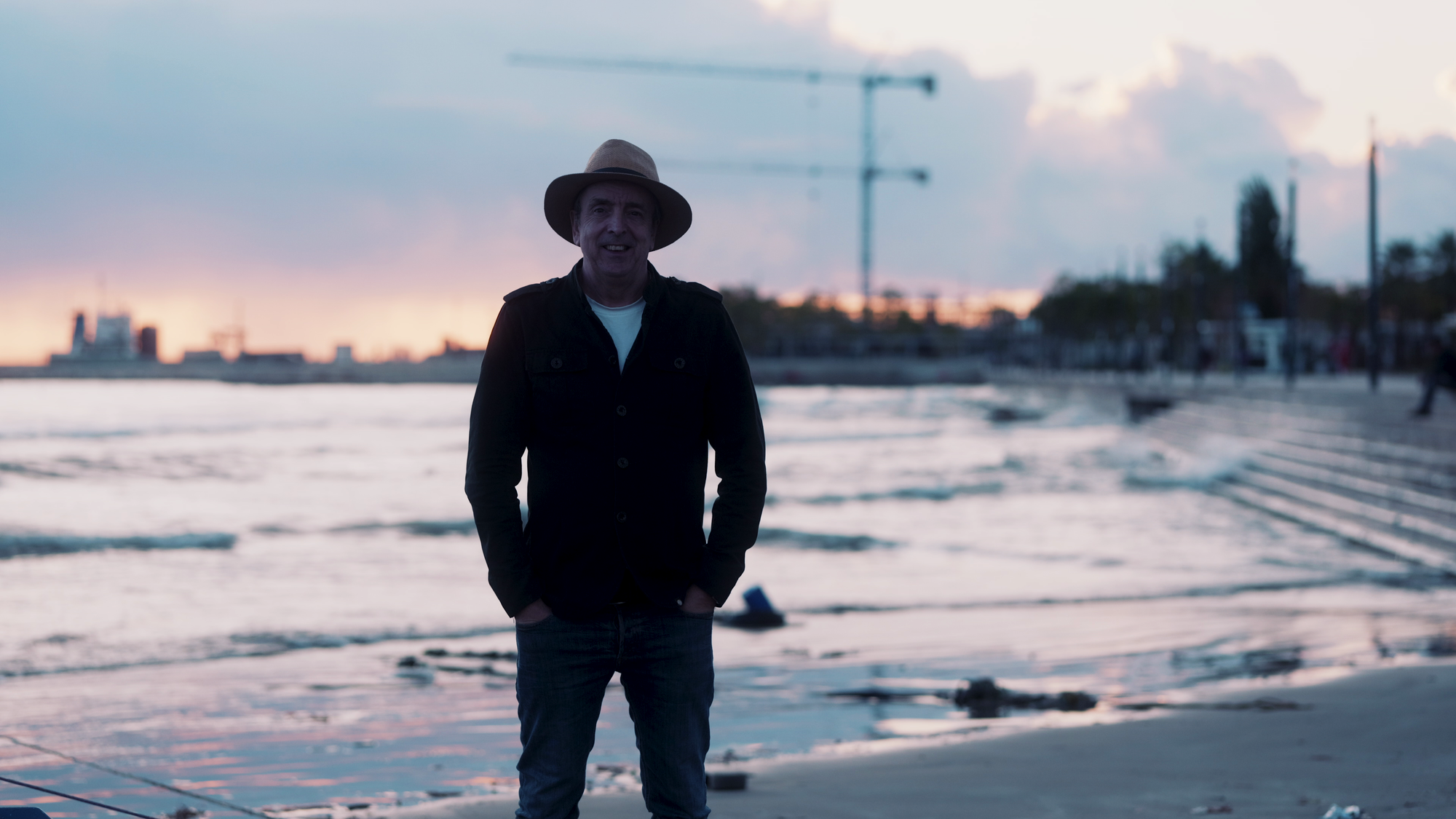
After a month, I got a sense of who this place works for and who would find it difficult.
It works for people who want quieter, affordable seaside city living, especially out of season. Those who value simplicity, good food, natural beauty, and a slower pace. It suits remote workers and early retirees who need less social infrastructure in English, and people who are patient with a place that's still developing and find that part of the appeal rather than a drawback.
It also suits people who are ready for a bigger change than they think they're allowed to make. Too many people stay in situations that aren't working, not because they can't leave, but because the familiar feels safer than the unknown. A place like Vlorë, where the cost of living drops enough to rethink the whole equation, can be the thing that makes leaving a job earlier, starting an online business, or simply stepping off the treadmill feel possible rather than reckless.
I think it could work well for families too, those who want to live a richer life than the UK allows on a normal income. I didn't even explore the Albanian countryside, which adds another dimension to living here.
It reminded me of what the UK used to be like in the old days. When we used to have more local markets, bakeries, fishmongers and cafes all at reasonable prices.
It's less suited to people who need more modern infrastructure, a polished Western European experience, English everywhere, reliable specialist healthcare, or big-city nightlife. If you want everything to work the way it does in the UK, USA, and many European countries, you'll spend a lot of time frustrated.
The distinction matters. Vlorë rewards curiosity and patience. It's not trying to be Lisbon or Barcelona. What it offers is its own thing, and whether that thing appeals to you is a personal question only a visit can answer.
How to Try It
Don't commit to anything. Come for a month first.
Book an Airbnb or direct through agencies for the first stay, then negotiate a direct arrangement with the landlord if you return. Best to avoid landlords on Facebook groups until you can navigate the city. October, November, March or April give you a realistic picture: warm enough to enjoy, quiet enough to see what daily life actually feels like rather than peak summer tourism.
Fly into Tirana, take the bus to Vlorë (3 hours, straightforward), and give yourself time to settle in before making any judgements.
I've written a full guide to that first month: Vlorë Quickstart: Everything You Need for Your First Month
What I Took Away
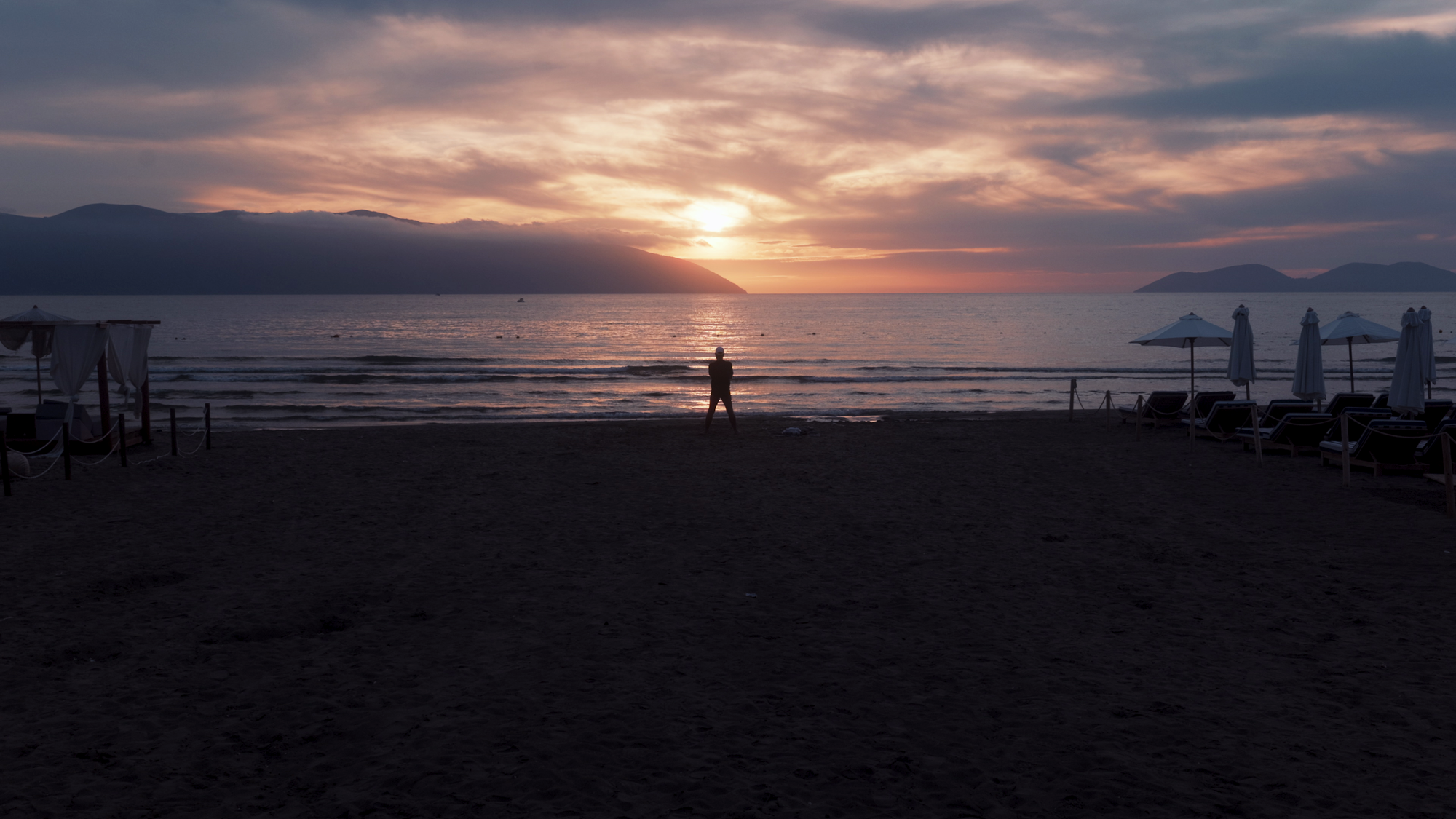
I didn't set out to sell anyone on Albania. I went to see whether it could work for someone like me: over 50, recently untethered, living well on a modest budget, wanting a life that felt richer without costing more.
It did work. Not because everything was smooth. Some things were confusing, some were messy, and some questions I still don't have answers to. But the quality of daily life, the rhythm of the market and the promenade and the cafes, the feeling of abundance without a large price tag: that was real. More importantly it slowed me down.
Whether it would work for you depends on what you're looking for. If you've been researching life abroad and Albania keeps coming up in the conversation, I'd say it deserves more than a passing glance. Come for a month. Walk the Lungomare. Sit in a cafe. Cook something from the market. See how it feels.
The rest, you'll figure out from there.
All Vlorë Guides
- Vlorë Quickstart: Everything You Need for Your First Month
- What a Month in Vlorë Actually Cost Me
- Where to Stay in Vlorë
- Vlorë's Beaches Explained
- Eating Well in Vlorë
- Taking the Bus from Tirana to Vlorë
- The Walk to Kuzum Baba
- Why I Loved Vlorë in Shoulder Season
- Where to Work and Meet People
- Supermarket Prices in Vlorë, Albania: What Groceries Actually Cost
- Five Things I Loved About Vlorë