The Albanian Tea That Replaced My English Breakfast
As a lifelong English tea drinker, I expected to struggle in Albania's coffee-obsessed café culture. Instead, I discovered çaj mente, and it became a genuine health bonus.
If you're British and heading to Albania, manage your expectations about tea.
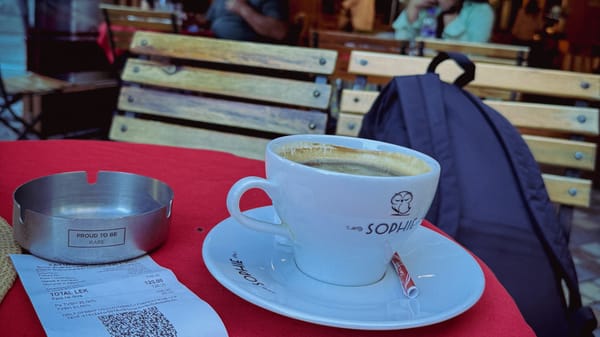
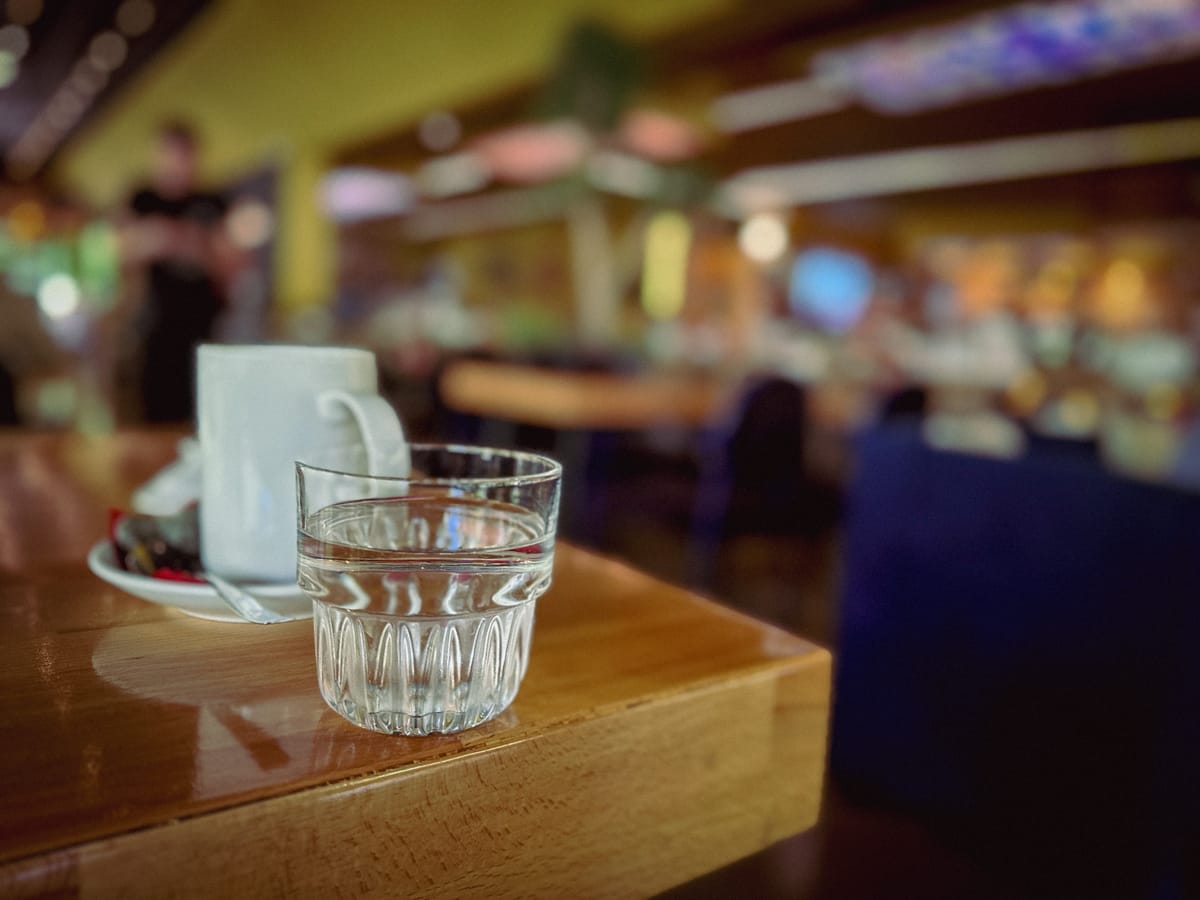
The cafés here run on coffee. Strong coffee, served in small cups, often with a glass of water on the side. The culture is built around it. People linger for hours over a single espresso, watching the world go by. I can't believe how late in the evening they drink coffee.
English tea with milk? You'll struggle. I’m not sure it exists, at least I never saw it in a café. Even in supermarkets, tracking down proper English breakfast or Earl Grey means finding the right supermarket and paying a premium when you do find it.
For a long term tea drinker, this could feel like a problem.
Taste Adaptation Mindset
Over years of travel, I've learned something about taste. That deeply ingrained preference for a favourite drink can feel almost like an addiction. Other flavours seem wrong, lesser, not quite right.
But it's worth pushing through that resistance.
Think about the first time you tried beer. That bitter taste before you developed a genuine thirst for it. Coffee, too, for most people. These things take time. The palate adapts if you let it.
Unless I've packed my own supply of English breakfast, I now view being abroad as a chance to embrace local alternatives. What's widely available, budget-friendly, and part of the culture I'm living in? That's what I'll drink.
It also helps that I'm trying to cut down on milk. Finding yourself somewhere that doesn't revolve around milky tea makes that easier.
Discovering Çaj Mente
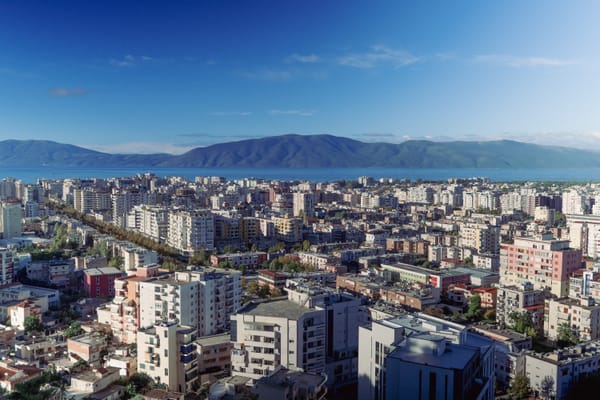
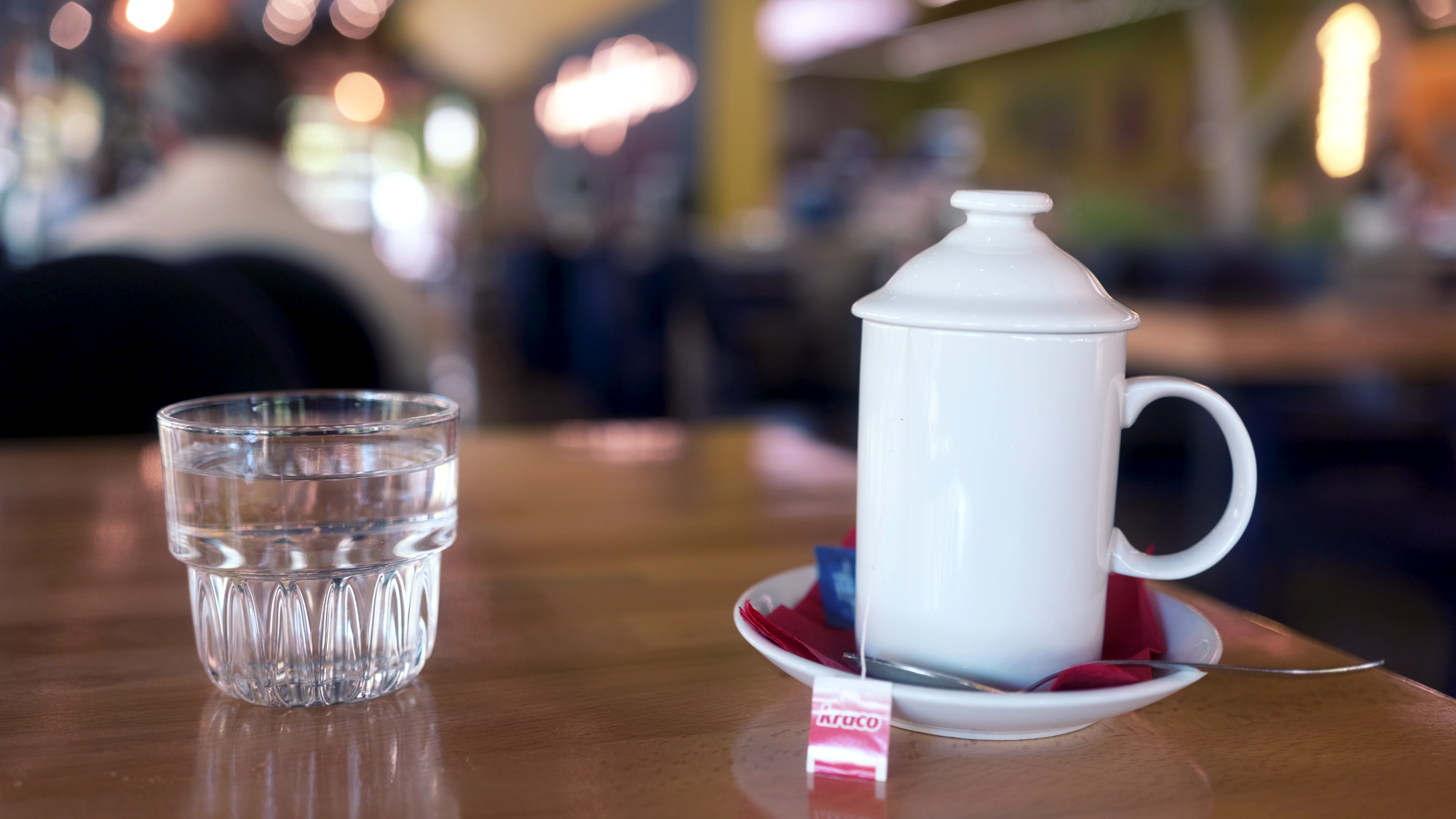
In Vlorë, the answer was çaj mente. Peppermint tea.
It's everywhere. Most cafés serve it. It costs almost nothing. And after a few days of ordering it instead of coffee, I found myself actively choosing it.
Çaj mente is refreshing, especially in warm weather. I could drink it until late without affecting my sleep. And it’s definitely great for improving digestion.
I wasn't expecting a tea discovery to become one of the quiet wins of my time in Albania. But it did.
Çaj Mali: The Other Albanian Tea
There's another local option worth knowing about: çaj mali, or mountain tea.
This one comes from the Sideritis plant, wild-harvested from Albanian mountainsides. The flavour is different from mint, more earthy and floral with a slight citrus note. Traditionally, it's the go-to remedy for colds, respiratory issues, and general wellness.
Locals drink it regularly and swear by its immune-boosting properties. Some research suggests it may support cognitive function too, though I can't vouch for that personally.
Both teas are available in supermarkets for very little. A box of 20 çaj mente teabags costs around 189 LEK (about £1.70 / ~$2.21). Çaj mali runs slightly more at 289 LEK (around £2.60 / ~$3.38).
What This Taught Me
The small adaptations matter.
I came to Albania expecting to miss English tea. Instead, I found a healthier alternative that I genuinely prefer now. Caffeine-free, good for digestion, refreshing in the heat, and completely embedded in local café culture. Now when I go to other countries, mint tea is not easy to find. I miss it.
It's a reminder that the untethered life isn't about recreating home abroad. It's about discovering what each place offers and being open to changing your habits when something better comes along.
Sometimes that's a new way of working. Sometimes it's a new approach to time. And sometimes it's just a different cup of tea.